A Claude Code Skill for Narrative Designers
Tarot Persona Creator
Character architecture through archetypal spectrums.
Where personas emerge from psychological structure, not trait lists.
A Claude Code Skill for Narrative Designers
Character architecture through archetypal spectrums.
Where personas emerge from psychological structure, not trait lists.
Traditional character design asks: "What traits does this character have?"
Tarot persona architecture asks: "What archetypal energy does this character embody, and what is the spectrum of behavior that energy produces under pressure?"
Characters should not be told what to do. They should be architecturally predisposed to behave in ways that feel inevitable.
The structural principles that make tarot-grounded personas work.
Every trait carries its own negation. Upright and reversed are not good and bad — they are two expressions of the same energy.
A character grounded in The Emperor may express authority or tyranny. The dramatic tension lives in which pole dominates at any given moment. This produces personas that feel internally coherent even when they contradict themselves.
The Major Arcana describe sequential psychological development. A character's position defines who they are, where they came from, and where they refuse to go.
The Fool's Journey (cards 0–XXI) maps the full arc of human psychological development. Characters positioned at Card VIII (Strength) have already navigated identity formation — they have opinions about power, belief, and choice.
A primary card defines core archetype. Secondary cards add complexity, internal conflict, and domain-specific texture.
An Emperor (authority) with a Seven of Swords (deception) produces a leader who builds order through hidden means. The tension between cards is productive — it creates layered characters without the designer needing to force complexity.
Characters in reversed states are expressing shadow, not broken. Some of the most compelling personas live primarily in reversal.
A reversed Star (despair, disconnection) is not "failing" — they are expressing the archetype's other face. Reversal can represent suppression, corruption, immaturity, trauma response, or deliberate inversion.
The four suits ground traits within specific life domains.
Page, Knight, Queen, King describe how a character operates within their domain — their maturity, approach, and relational posture.
Page: The student. Curiosity, inexperience, potential.
Knight: The pursuer. Action, obsession, momentum.
Queen: Inward master. Emotional authority, receptivity.
King: Outward master. Control, institutional power.
At every stage, the character accepts the lesson and grows, rejects it and calcifies, or forgets it and repeats. This trichotomy drives all arcs.
Accept: Forward progression. Growth, integration.
Reject: Calcification. The character becomes more extreme.
Forget: Loop. The most tragic — they glimpse truth and lose it. The audience sees what the character cannot hold.
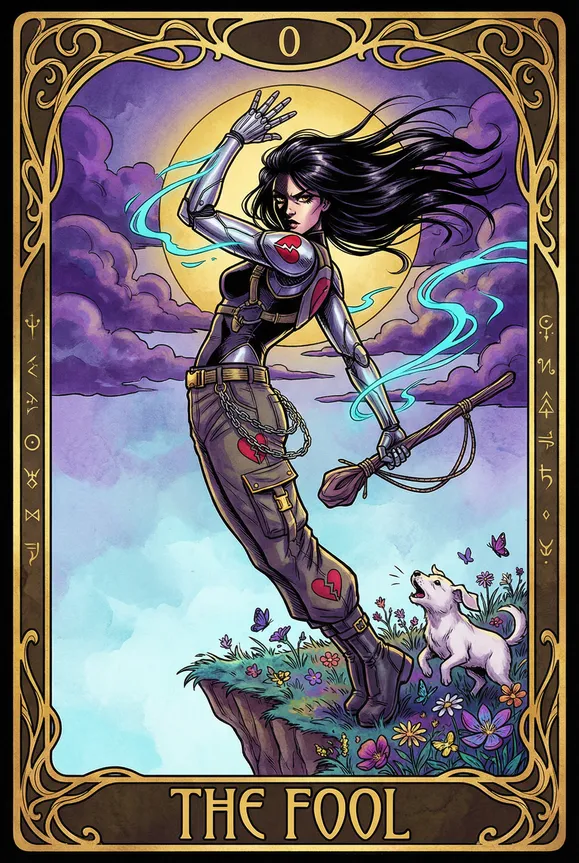
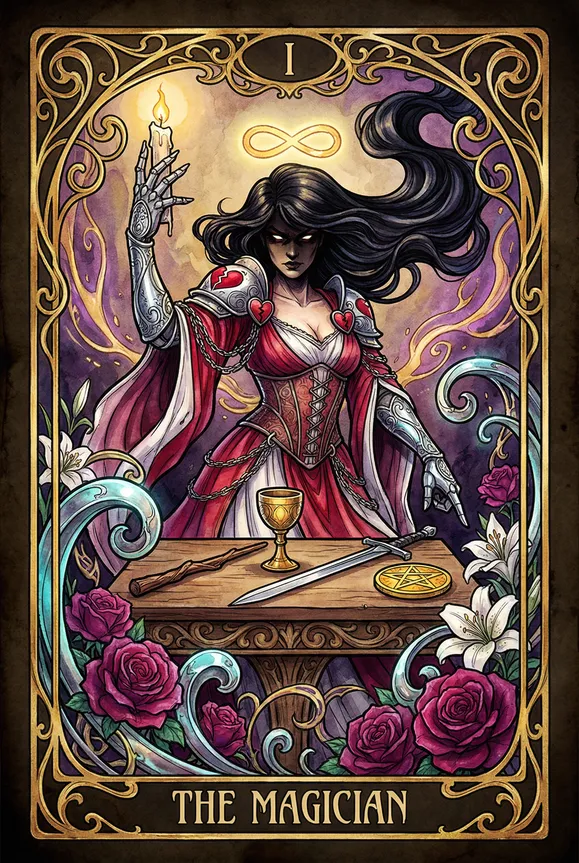
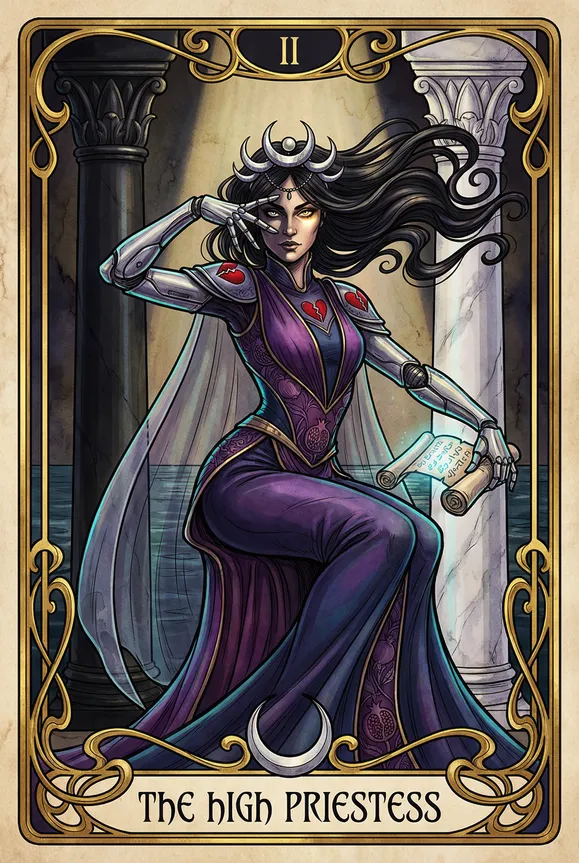
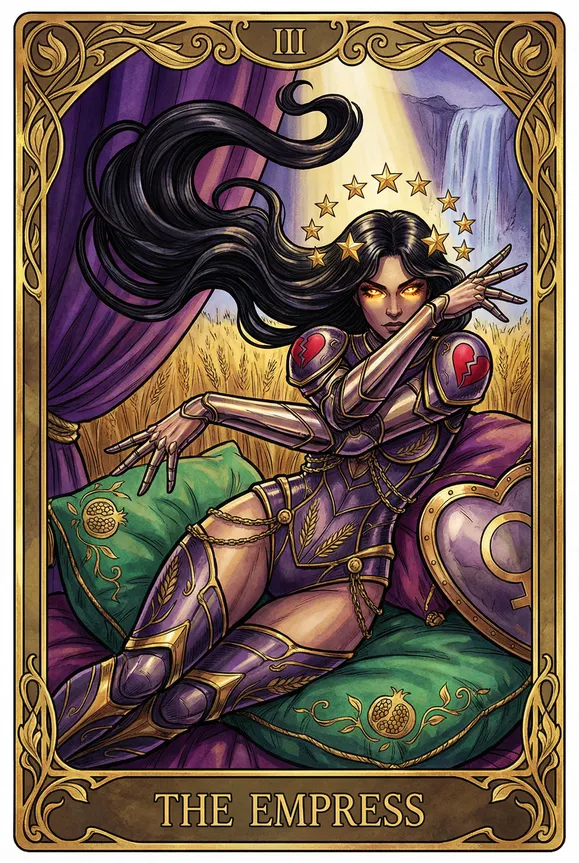
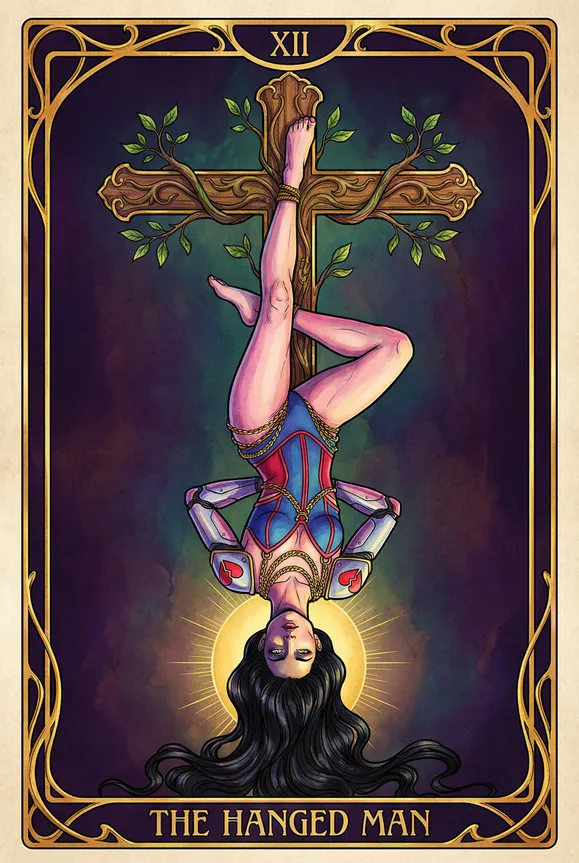
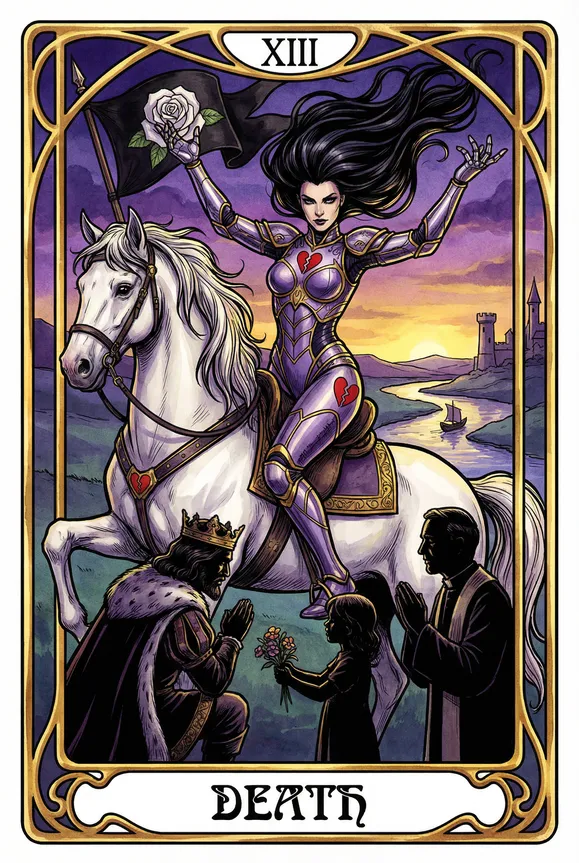
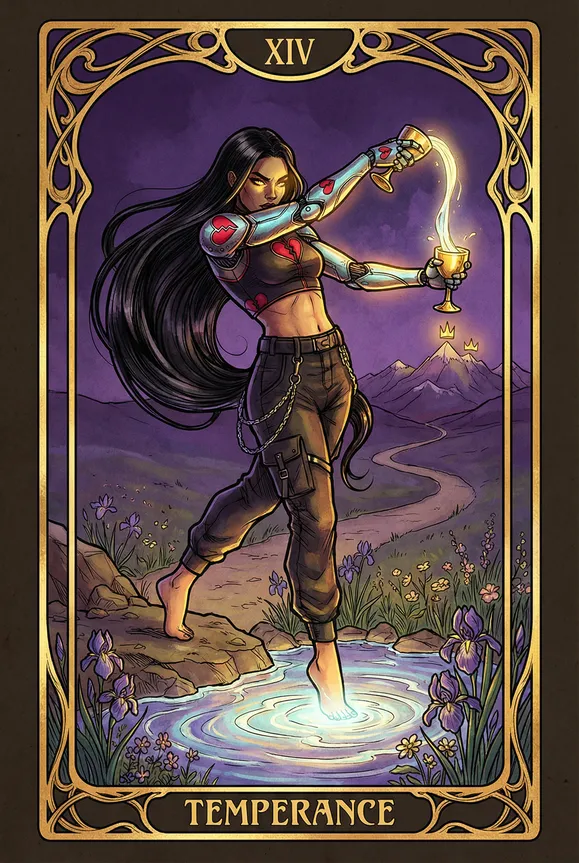
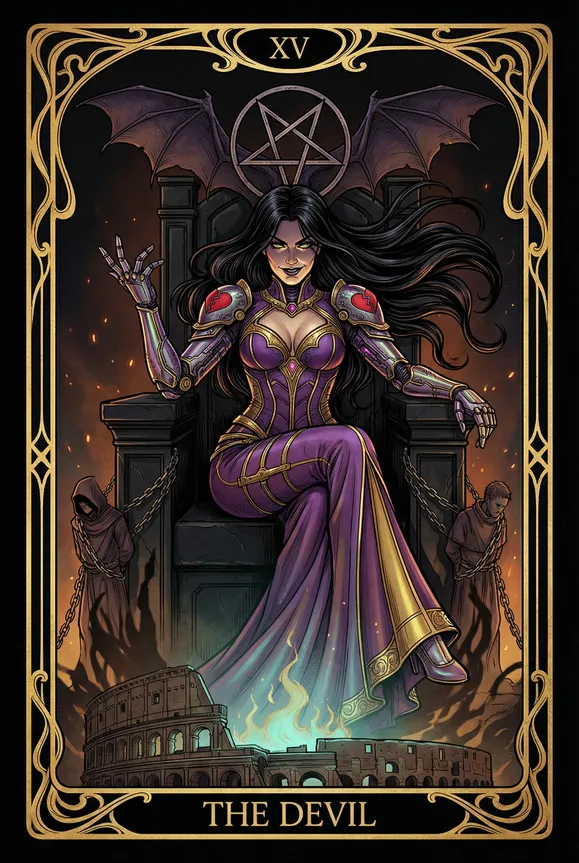
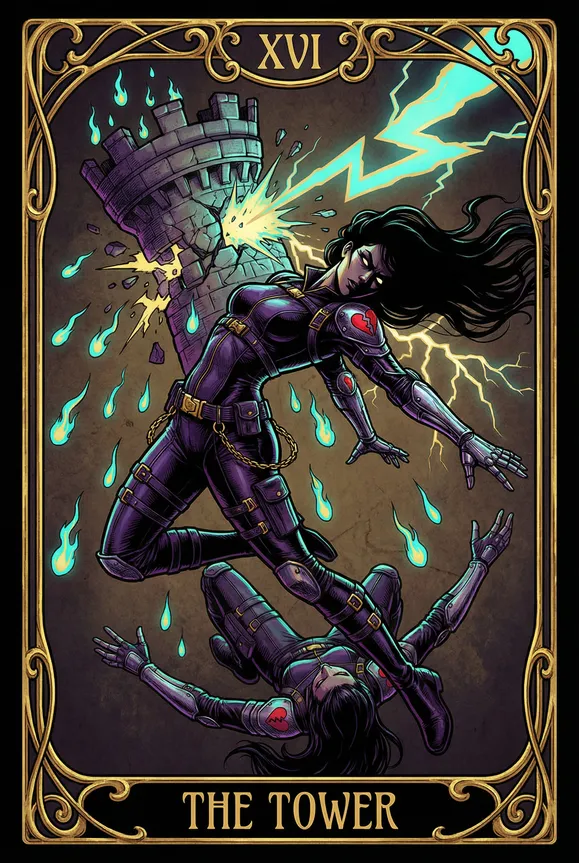
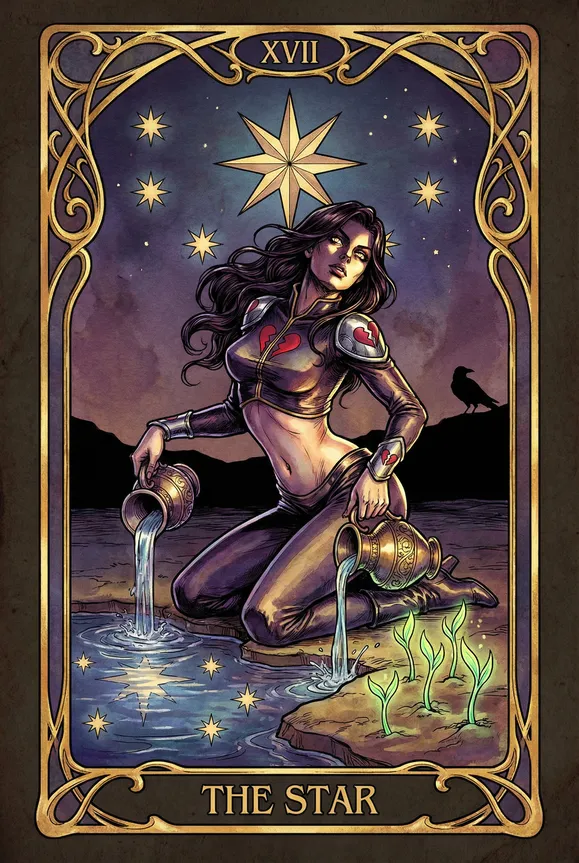
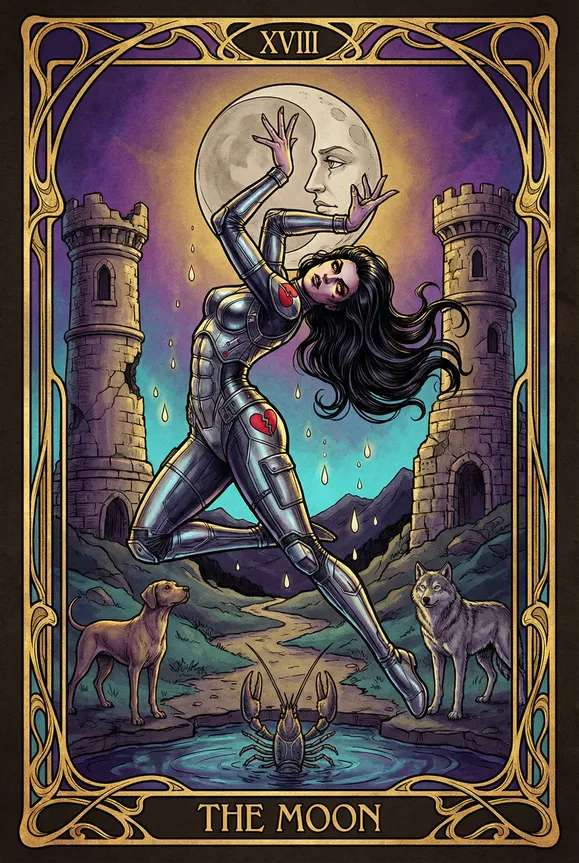
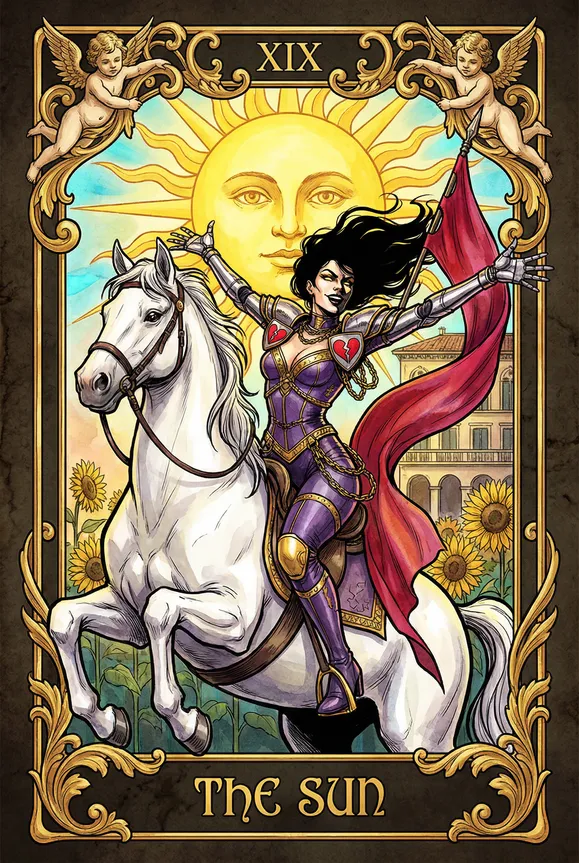
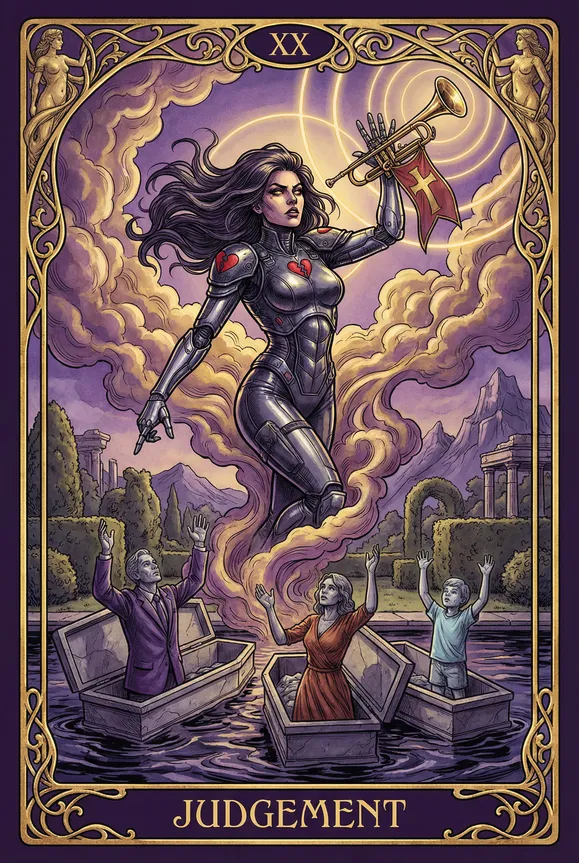
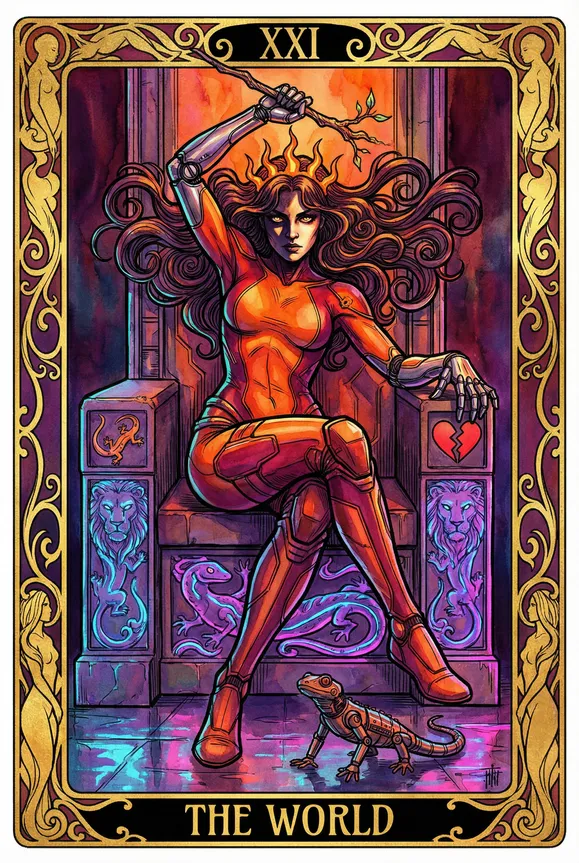
22 Major Arcana cards map the full arc of psychological development. Click any card to explore its archetype.
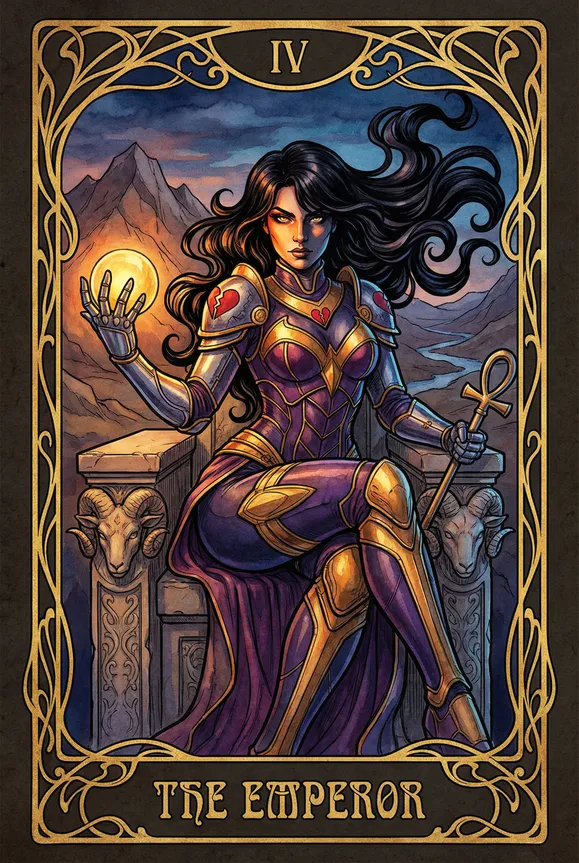
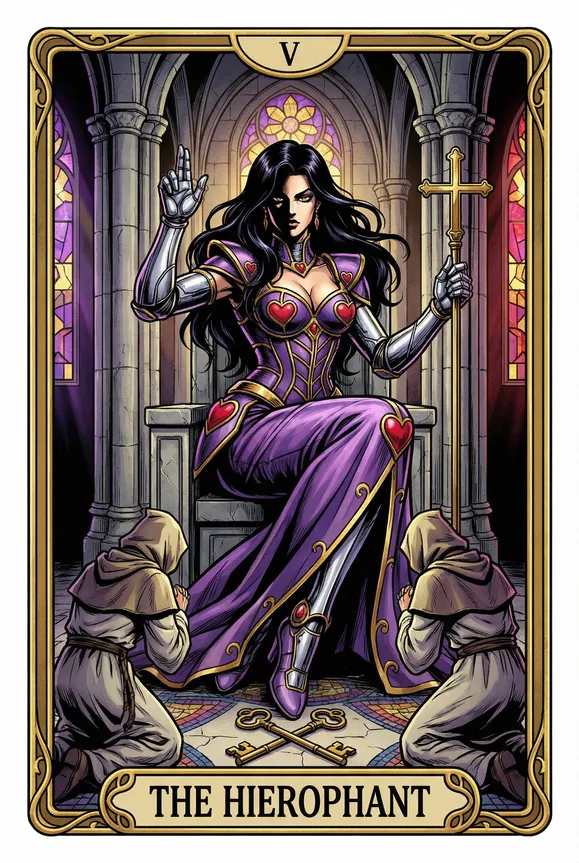
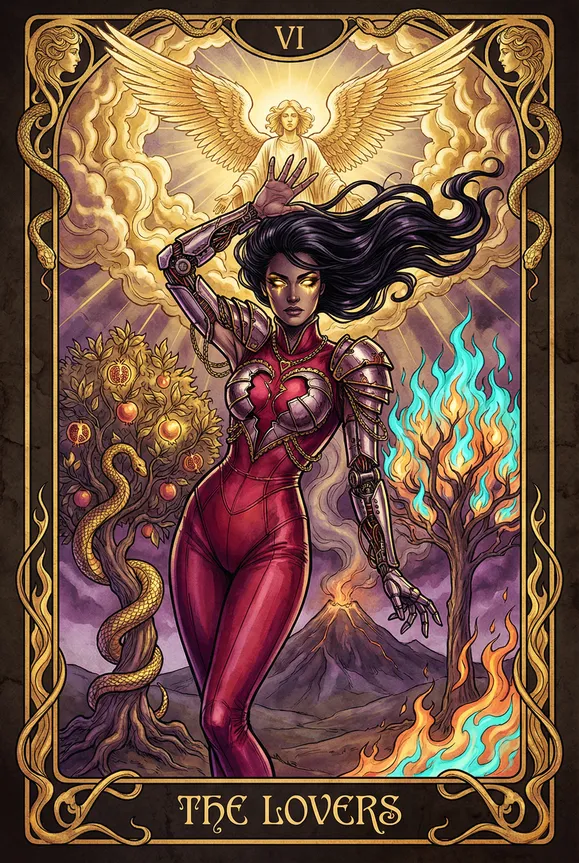
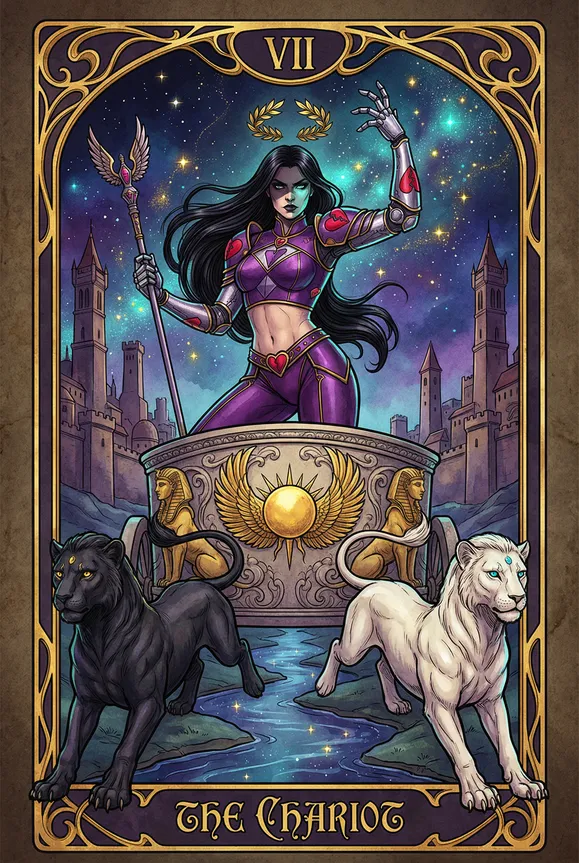
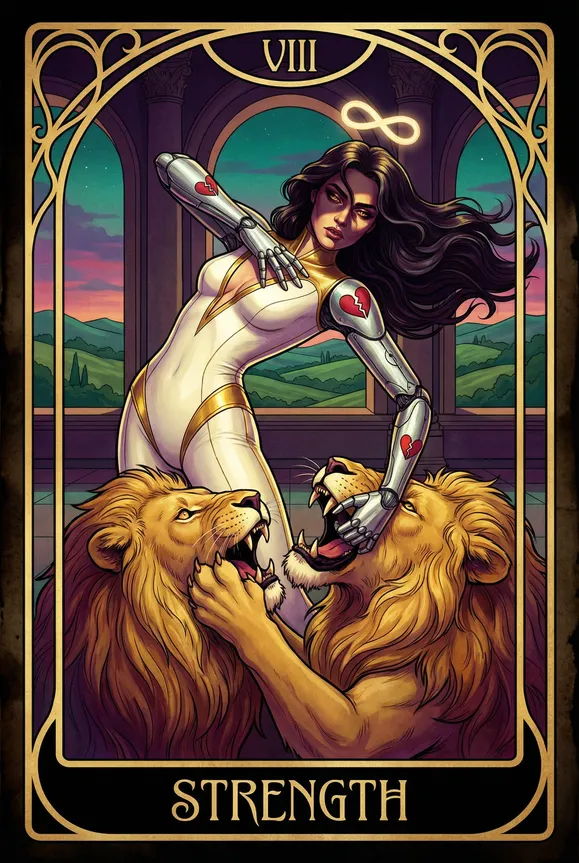
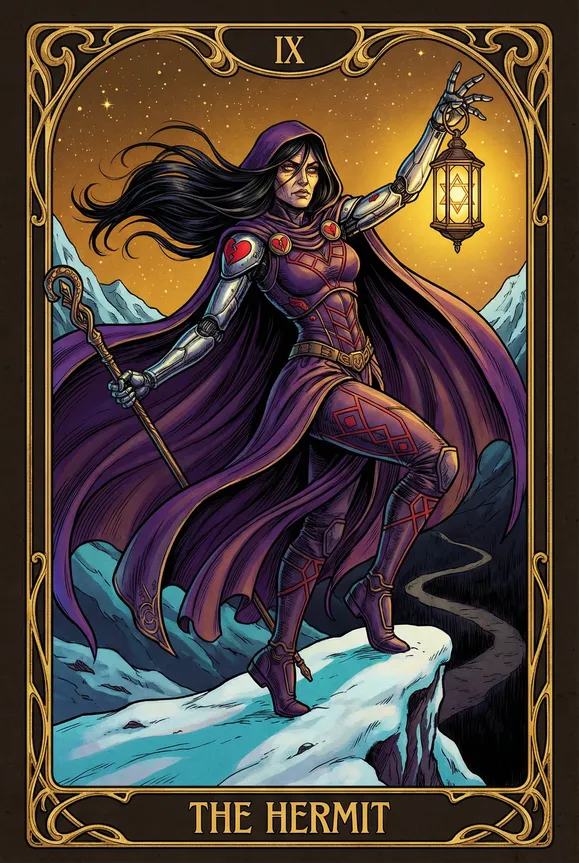
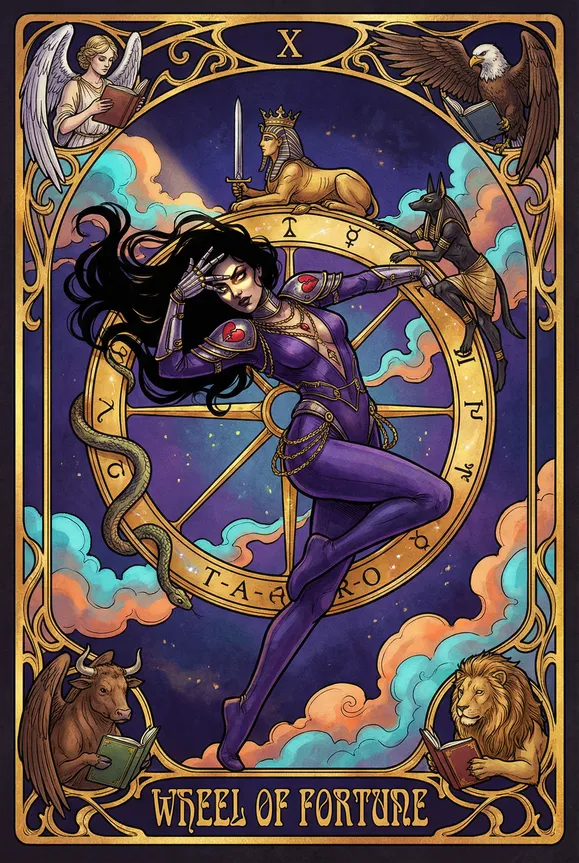
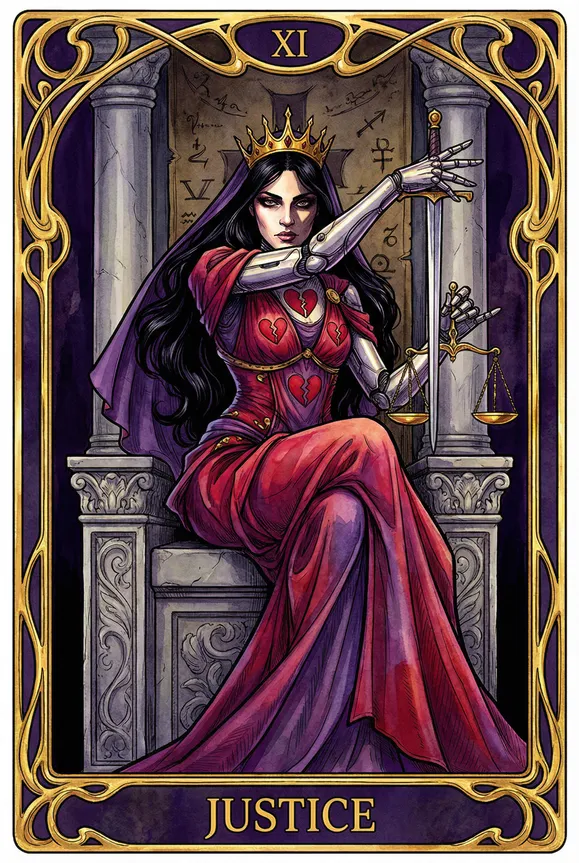
The skill operates in three distinct modes depending on your needs.
Build a persona from scratch. The system assigns cards based on your character concept, determines polarity, maps the journey position, layers secondary cards, defines the arc engine, and outputs a complete Persona Dossier.
Try the demo ↓Evaluate an existing character against the tarot framework. The system identifies which archetype the character is already expressing, scores them across seven dimensions of persona depth, and suggests enhancements.
See mock example ↓Advise on story planning and cast design. The system analyzes your premise, suggests card assignments for key characters, maps natural tensions, and identifies where plot-driven decisions could be replaced by archetype-emergent behavior.
See mock example ↓Experience the Create mode flow. Enter a character concept and watch the system draw cards, assign archetypes, and assemble a Persona Dossier.
This demo simulates the visual flow and template structure. In the full system, an LLM tailors every section to your specific character concept.
Enter a character name and optional concept. The system will draw cards and build a persona architecture.
The system identifies the fundamental psychological force your character embodies.
A Minor Arcana card grounds the character in a specific life domain and developmental stage.
A Court Card defines how the character operates within their domain — their maturity and relational posture.
For the lesson their archetype offers, how does your character respond? This single decision drives the entire character arc.
Every primary card's reversed meaning is the character's shadow — the thing they might become.
—
—
All cards drawn. The system compiles the complete Persona Dossier.
In the full system, this dossier is generated by an LLM using the tarot framework as structural guidance. Each section is tailored to your specific character concept. This demo simulates the visual flow and template structure using pre-written archetype-specific text.
Evaluate an existing character against the tarot framework. Here's a mock assessment of a sample character.
Source: "A retired military commander who now runs a small bookshop, haunted by decisions made in wartime."
IV — The Emperor
Primary
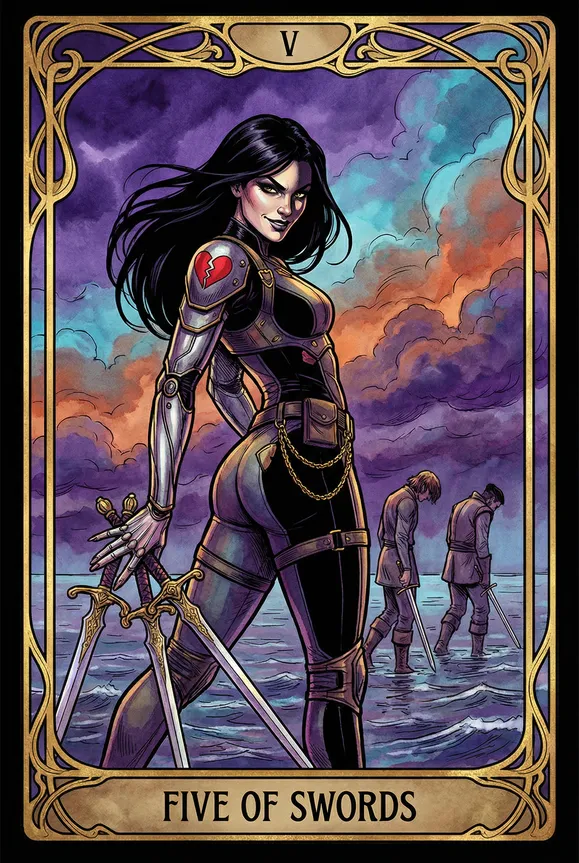 Five of Swords
Secondary
Five of Swords
Secondary
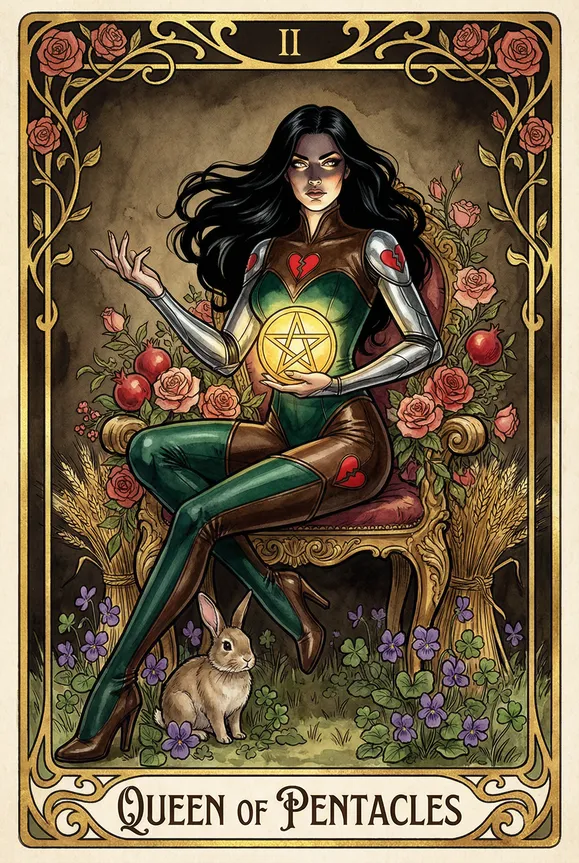 Queen of Pentacles
Court
Queen of Pentacles
Court
Arc Engine (2/5): No clear trichotomy is operating. Is Voss accepting her past, rejecting it, or forgetting? The recommended assignment is Forget — she keeps almost confronting what she did, then retreats into the routine of the bookshop. Each day she opens the shop is a small act of forgetting. Each customer who asks about the military medals on the shelf is a moment where the lesson almost surfaces.
Advise on story planning and cast design. Here's a mock consultation for a sample project.
Premise: Three strangers meet on a ferry crossing a flooded valley that was once their shared hometown. Each has returned for a different reason. The water is rising.
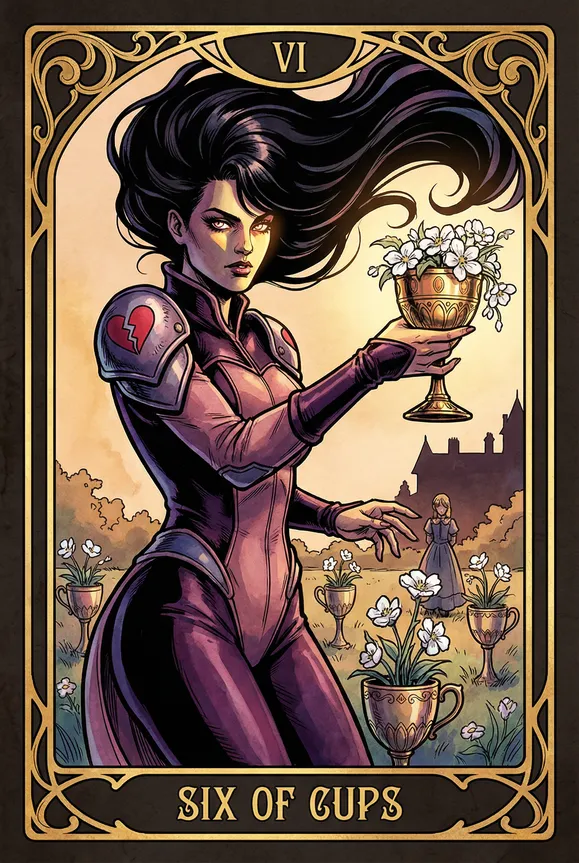
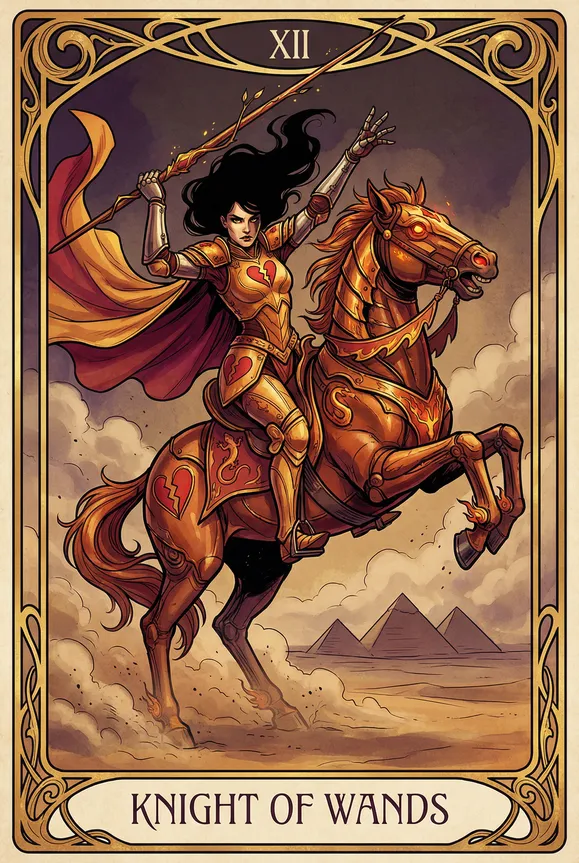
The Fool (Tending Upright) + Six of Cups + Knight of Wands
Trichotomy: Accept — this time, they'll stay long enough to see
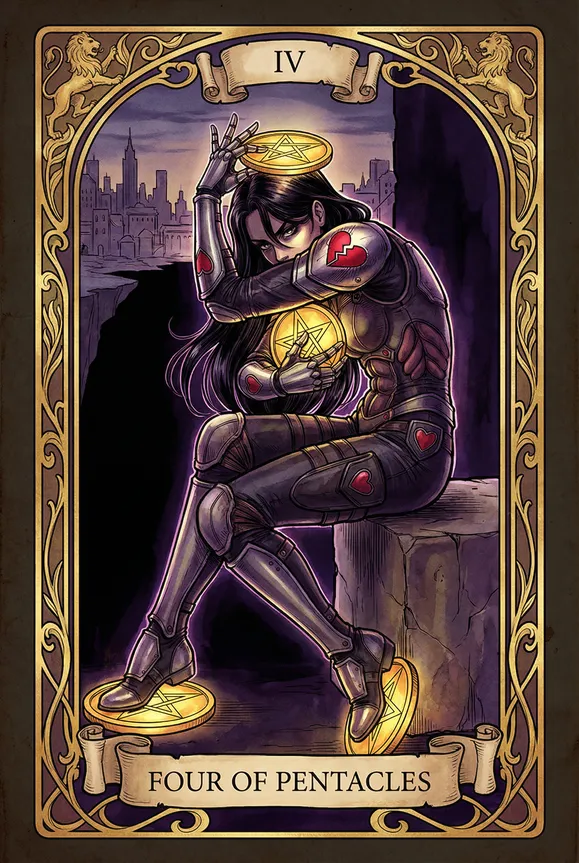
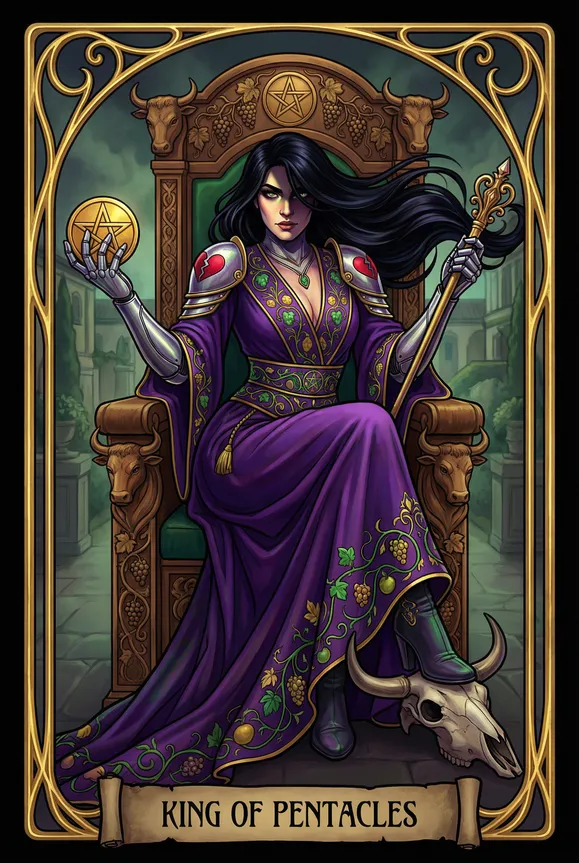
The Hermit (Reversed) + Four of Pentacles + King of Pentacles
Trichotomy: Reject — they've built their entire identity around staying
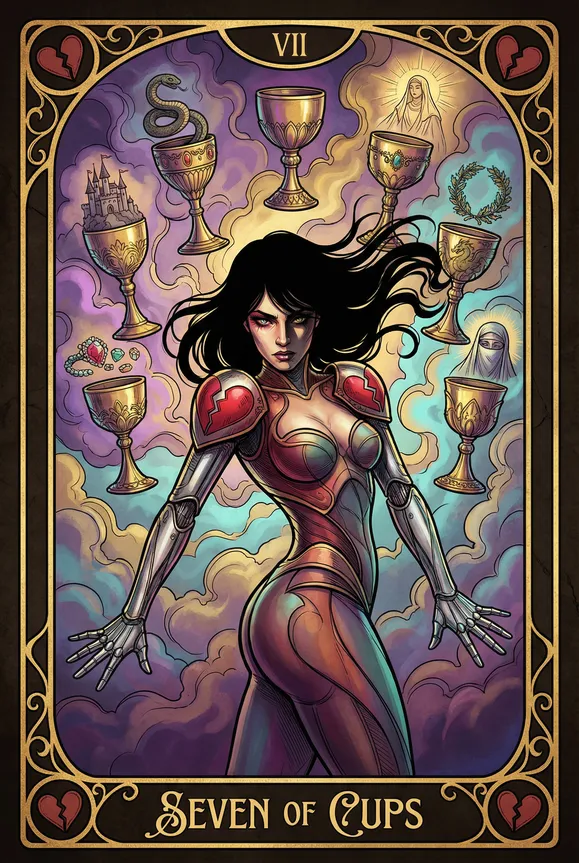
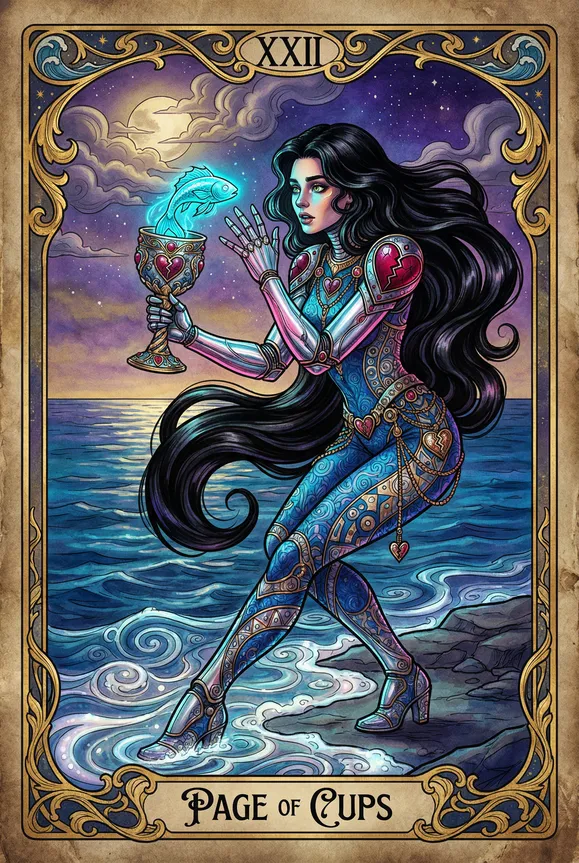
The Moon (Upright) + Seven of Cups + Page of Cups
Trichotomy: Forget — they literally cannot remember why they left
The rising water forces physical proximity. Each character's archetype is tested by the others' presence. The Fool's openness threatens the Hermit's calcified solitude. The Moon's ambiguity destabilizes the Hermit's certainty. The Fool cannot understand why the Moon doesn't remember what they all shared.